In an inclusive early learning environment, children build important skills through play, routines, relationships, and opportunities to try again. At The Elaine Clark Center in Chamblee, Georgia, individualized support helps each child participate in meaningful ways while developing confidence for the next stage of learning.
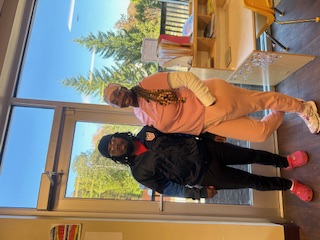
For the Ladybug classroom, every day is an opportunity to practice communication, social connection, problem-solving, and self-help skills in a caring community. With encouragement from dedicated educators like Robert and Xena, small steps can become meaningful progress.
Learning Starts With Individualized Support
Children grow in different ways and on different timelines. That is why individualized instruction is central to an inclusive child development program. Educators observe each child’s strengths, interests, and needs, then create learning opportunities that are accessible, engaging, and appropriate for that child.
For one student, progress may mean using a new word or gesture to communicate a need. For another, it may mean joining a peer during play, completing a classroom routine more independently, or feeling comfortable trying a new activity. These moments matter because they build the foundation for future learning and participation.
At The Elaine Clark Center, individualized support is not separate from the classroom experience. It is woven into everyday interactions so children can learn alongside one another in an environment that recognizes every ability.
Play Creates Powerful Learning Opportunities
Play is much more than fun. It gives young children a natural way to explore ideas, practice skills, make choices, and build relationships. Through hands-on experiences, children can develop cognitive skills such as attention, problem-solving, and cause-and-effect thinking while also strengthening communication and social development.
In the Ladybug classroom, play may include sharing materials, taking turns, exploring sensory activities, participating in songs, or using imagination during pretend play. Each activity can be adapted to encourage participation and help children work toward their individual goals.
This approach to early childhood education for children with special needs allows learning to feel meaningful and motivating. When children are interested and engaged, they are more likely to persist, explore, and celebrate what they can do.
Building Communication and Social Connection
Communication and social skills are essential parts of early learning. Children learn to express wants and needs, listen to others, respond to familiar routines, and connect with peers and adults. In an inclusive classroom, these skills are supported throughout the day—not only during a designated lesson.
Educators can model language, offer visual or verbal prompts, create opportunities for shared play, and recognize every child’s attempts to connect. A smile, a gesture, a word, or a moment of joint attention can be a meaningful step toward stronger communication.
Robert and Xena help create a classroom where children are encouraged to participate in ways that work for them. That sense of belonging supports children as they learn that their voice, interests, and contributions matter.
Everyday Routines Build Independence
Early learning also includes the practical skills children use every day. Self-help skills—such as washing hands, cleaning up, making a choice, feeding independently, or transitioning between activities—can support confidence at home, at school, and in the community.
These skills often develop gradually. An educator may break a task into manageable steps, offer support when needed, and give a child time to practice. Over time, a child may need fewer prompts, make more choices independently, or take greater ownership of a familiar routine.
The Elaine Clark Center recognizes that independence looks different for every child. The goal is not perfection. It is helping children develop skills that increase their confidence, participation, and sense of accomplishment.
A Caring Classroom Makes Trying Feel Safe
Learning requires children to take chances. They may try a new activity, practice a difficult skill, meet a new friend, or work through a moment of frustration. A caring classroom gives children the security to keep trying.
That security comes from consistent routines, patient guidance, positive encouragement, and trusting relationships. When children know they are supported, they can approach new experiences with greater confidence. They learn that mistakes are part of learning and that effort is worth celebrating.
In the Ladybug classroom, Robert and Xena help foster a culture of encouragement. Their work reflects the inclusive education philosophy at The Elaine Clark Center: every child deserves opportunities to participate, grow, and be valued as an important member of the community.
Small Steps Lead to Lasting Growth
Families and educators often recognize progress in moments that may appear small from the outside: a child joining a group activity, using a new communication strategy, completing a task with less support, or showing pride after trying something new. These milestones are powerful because they reflect persistence, trust, and growing confidence.
For more than five decades, The Elaine Clark Center has supported children and young adults of all abilities through individualized, family-centered programs. Our inclusive early childhood program in Metro Atlanta is designed to help children build skills today while laying a strong foundation for tomorrow.
We are grateful for educators like Robert and Xena, whose care and commitment help Ladybug students feel supported as they learn, connect, and grow.
FAQ
What does inclusive early learning mean?
Inclusive early learning brings children of varying abilities together in a supportive environment. Instruction, activities, and routines are adapted so each child can participate meaningfully and work toward individual goals.
What skills do children practice in the Ladybug classroom?
Children practice communication, social, cognitive, and self-help skills through individualized instruction, play, hands-on activities, and everyday classroom routines.
Why is play important for children with developmental differences?
Play gives children a motivating way to explore, communicate, solve problems, practice social skills, and build confidence. It also allows educators to support learning in ways that connect with each child’s interests.
How do educators support independence in early childhood?
Educators create structured opportunities for children to practice daily routines, make choices, and complete tasks in manageable steps. Support is adjusted as children build confidence and skills over time.
How can families learn more about programs at The Elaine Clark Center?
Families can explore The Elaine Clark Center’s inclusive child development and other disability services for children by visiting our website or contacting our Chamblee, Georgia, team to discuss available support.
