Inclusive early learning gives young children more than a place to spend the day—it gives them meaningful opportunities to communicate, connect, explore, and grow at their own pace. At The Elaine Clark Center in Chamblee, everyday classroom experiences are designed to help each child build confidence, independence, and a sense of belonging.
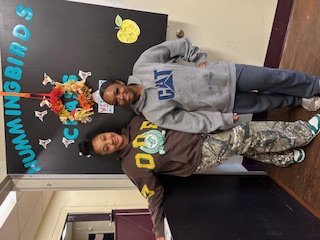
In the Hummingbird classroom, Alyceson and Alyndira make learning active, welcoming, and full of possibility. Through art, sensory activities, play, and hands-on experiences, they create opportunities for students to make choices, try new things, and celebrate progress in ways that matter.
Learning Happens Through Play
For young children, play is serious work. It is often how they begin to understand the world, share ideas, practice new skills, and connect with others. A child stacking blocks may be developing coordination and problem-solving skills. A child joining a pretend-play activity may be practicing communication, turn-taking, and imagination.
At The Elaine Clark Center, play-based learning is an important part of our inclusive child development program. Teachers create structured opportunities for exploration while allowing children to follow their interests. This balance helps children feel safe enough to participate, experiment, and learn from each experience.
Hands-On Activities Encourage Independence
Small choices can make a big difference for young learners. Choosing a paint color, selecting a sensory material, picking a book, or deciding where to sit during an activity can help children practice independence and self-expression.
In an inclusive early childhood classroom, these everyday moments are valuable. They give children space to communicate preferences, make decisions, and see that their voices matter. With consistent encouragement, children build the confidence to engage more fully with their peers, teachers, and surroundings.
Alyceson and Alyndira help make those moments possible in the Hummingbird classroom. Their caring guidance helps students approach new activities with curiosity rather than pressure—and celebrate each step forward along the way.
Sensory Experiences Support Exploration
Sensory activities can offer a rich, accessible way for children to learn. Whether children are exploring different textures, creating art, moving to music, or engaging with materials that invite touch and discovery, sensory play can support attention, communication, and engagement.
Every child experiences the world differently. Offering a variety of hands-on activities allows children to participate in ways that feel meaningful and comfortable to them. It also gives teachers opportunities to observe what captures a child’s interest and how they respond to new experiences.
For families seeking an inclusive childcare center
in Metro Atlanta, this thoughtful approach can be especially important. The Elaine Clark Center brings early learning, individualized support, and a welcoming community together so children of all abilities can learn alongside one another.
Early Social Skills Grow in Everyday Moments
Early communication and social development do not happen only during a formal lesson. They grow while children share materials, watch a friend try something new, ask for help, laugh together, or wait for a turn. These moments are part of the rhythm of a caring classroom.
Teachers support these skills by modeling language, offering gentle prompts, and creating activities that encourage children to participate together. Over time, children can develop stronger relationships with peers and gain confidence in expressing their needs, ideas, and feelings.
This is one reason inclusive early learning matters so much. Children benefit from seeing and valuing different abilities, communication styles, and strengths. They learn that everyone belongs in the classroom community.
Encouragement Makes Growth Possible
Children thrive when they feel seen, supported, and celebrated. A warm response to a new attempt, a patient reminder, or shared excitement over a completed project can help a child feel proud and ready to keep going.
At The Elaine Clark Center, our educators understand that progress looks different for every child. Growth may mean trying a new material, participating in a group activity, using a new word, or showing confidence in a familiar routine. Each accomplishment deserves recognition.
That commitment to encouragement is at the heart of our inclusive education philosophy. We focus on each child’s strengths while helping them develop skills that support lifelong learning, connection, and independence.
A Classroom Community Where Every Child Belongs
For more than five decades, The Elaine Clark Center has served children and young adults of all abilities through inclusive programs, specialized support, and a family-centered approach. Our early childhood programs give families access to a nurturing environment where children can learn through play, develop relationships, and receive the support they need to flourish.
The Hummingbird classroom reflects that mission every day. With care, creativity, and encouragement, Alyceson and Alyndira help make the classroom a place where curiosity is welcomed and every child has room to grow.
We are grateful for educators who bring patience and joy to their work, and for the families who trust us to be part of their children’s early learning journeys. Together, we can continue building a community where every ability matters.
FAQ
What is inclusive early learning?
Inclusive early learning brings children of different abilities together in a supportive classroom environment. It focuses on creating meaningful ways for every child to participate, learn, build relationships, and develop at their own pace.
How does play support child development?
Play helps children practice communication, social interaction, motor skills, creativity, and problem-solving. Through activities such as art, pretend play, sensory exploration, and group games, children learn important skills in ways that feel engaging and natural.
Why are sensory activities important for young children?
Sensory activities invite children to explore through touch, movement, sound, sight, and other experiences. They can support engagement, self-expression, curiosity, and participation while giving children multiple ways to connect with the learning environment.
How do teachers help children build confidence?
Teachers build confidence by offering encouragement, recognizing effort, giving children opportunities to make choices, and supporting them as they try new things. Celebrating progress—both big and small—helps children feel capable and valued.
What early childhood programs does The Elaine Clark Center offer?
The Elaine Clark Center offers inclusive child development and early intervention services for young children, along with a continuum of programs that serves children, teens, and young adults with developmental disabilities and their families across Metro Atlanta.
