
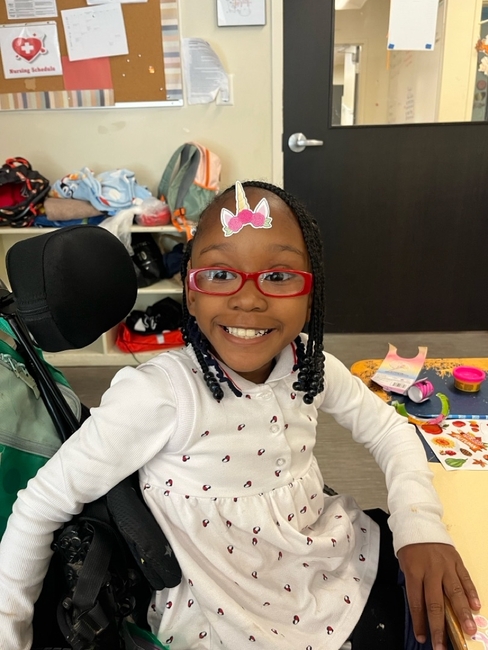
Imaginative play gives children a joyful way to explore who they are, communicate what they feel, and connect with the people around them. Whether a child becomes a unicorn, a superhero, a chef, or an explorer for the day, pretend play can support confidence, creativity, and social-emotional growth.
At The Elaine Clark Center in Chamblee, Georgia, we celebrate the moments when children lead with curiosity and bring their biggest ideas to life. A recent Friday brought an especially magical reminder: one of our students decided to be a unicorn—and we were delighted to join in the fun. We love unicorns, and we love seeing children express themselves in ways that feel exciting and meaningful to them.
More Than Dress-Up
To adults, a costume or a make-believe game may look simple. For children, it can be an important form of learning. Pretending to be a unicorn might involve choosing colors, practicing language, making up a story, moving in a new way, or sharing an idea with friends and teachers.
These experiences encourage children to make choices and see those choices respected. That message matters: your ideas are welcome here, and you are free to be yourself.
For many children, especially those who benefit from individualized support, playful moments can create comfortable opportunities to practice new skills without pressure.
Imagination Creates Space for Communication
Every child communicates differently. Some children share ideas with words, while others communicate through movement, facial expressions, art, gestures, assistive technology, or play. Imaginative activities offer many entry points for connection.
A child who is not interested in a traditional conversation may eagerly show someone how a unicorn flies. Another may point to a picture, choose a favorite color, or participate by adding a sound effect to a pretend adventure. These interactions help teachers and peers better understand what engages each child.
At The Elaine Clark Center, our inclusive child development and education programs are designed to meet children where they are. When learning is woven into joyful experiences, children have opportunities to build communication skills in ways that feel natural and motivating.
Confidence Can Start With a Tiny Sparkle
Trying on a new role can help children practice confidence. When a child says, “I’m a unicorn,” they are sharing a choice, an identity for the moment, and often a whole story. Being met with encouragement can make that moment even more powerful.
Positive responses from caring adults and peers can help children feel safe taking initiative. A teacher might ask, “What kind of unicorn are you today?” A friend might ask to join the adventure. Those small exchanges reinforce belonging and invite a child to keep exploring.
Confidence does not always arrive through a big accomplishment. Sometimes it grows through everyday moments: selecting a costume, participating in a group activity, sharing a favorite idea, or simply being seen and celebrated.
Inclusive Learning Makes Room for Every Child
Inclusion means more than having children share a space. It means creating an environment where every child can participate, contribute, and experience the joy of being part of a community. Play is one of the most natural places for that work to happen.
In an inclusive setting, children can engage in the same activity in different ways. One child may create an elaborate story about a magical forest. Another may enjoy touching a soft costume accessory, matching colors, or watching classmates play. Each form of participation is valuable.
The Elaine Clark Center provides programs for children and young adults with developmental disabilities alongside opportunities for connection, learning, and growth. From inclusive early childhood programming to specialized education, therapeutic intervention, out-of-school enrichment, and young adult life-skills programming, our team focuses on individualized support and meaningful participation.
Play Supports Important Developmental Skills
Magical make-believe can also support practical skills. When children play together, they may practice taking turns, listening, problem-solving, and recognizing emotions. When they dress up or use props, they may work on fine-motor skills, planning, sensory exploration, and independence.
For example, a unicorn-themed activity might include identifying colors, choosing a preferred material, following a sequence of steps, or moving through an imaginative obstacle course. The goal is not to make every child play in exactly the same way. The goal is to offer flexible opportunities that honor each child’s strengths and support their next steps.
Families looking for disability services for children in Metro Atlanta often want programs that recognize the whole child—not only developmental goals, but also personality, interests, and joy. At The Elaine Clark Center, those elements belong together.
Celebrating Joy Builds Community
Our Friday cute-kid moments are about more than a sweet photo. They are a chance to celebrate the personality, creativity, and spirit that children bring to our community every day. They also remind families, supporters, volunteers, and neighbors why inclusive care and education matter.
When children know they are valued for who they are, they can build trusting relationships and approach new experiences with greater confidence. When families see their children welcomed and understood, they gain a community that recognizes both their hopes and their everyday realities.
That sense of connection is at the heart of The Elaine Clark Center. For more than five decades, we have supported children, young adults, and families through compassionate, individualized programs in the Atlanta area. We are grateful for every magical, messy, joyful, imaginative moment along the way.
FAQ
Why is imaginative play important for children?
Imaginative play can support communication, creativity, social interaction, emotional expression, and problem-solving. It also gives children a low-pressure way to explore ideas and practice skills.
How does inclusive play support children with disabilities?
Inclusive play offers flexible ways to participate based on each child’s strengths, interests, and support needs. It creates opportunities for children to learn alongside peers, build relationships, and experience belonging.
What programs does The Elaine Clark Center provide?
The Elaine Clark Center offers inclusive child development, early intervention, out-of-school programs, Heart of Hope Academy for K–12 students, ECC Life for young adults, therapeutic intervention, pediatric nursing, social services, and scholarships.
Where is The Elaine Clark Center located?
The Elaine Clark Center is located in Chamblee, Georgia, and serves children, young adults, and families throughout Metro Atlanta.
How can the community support The Elaine Clark Center?
Community members can support our mission by donating, volunteering, sharing our work, participating in events, and helping raise awareness of inclusive programs for children and young adults with developmental disabilities.
